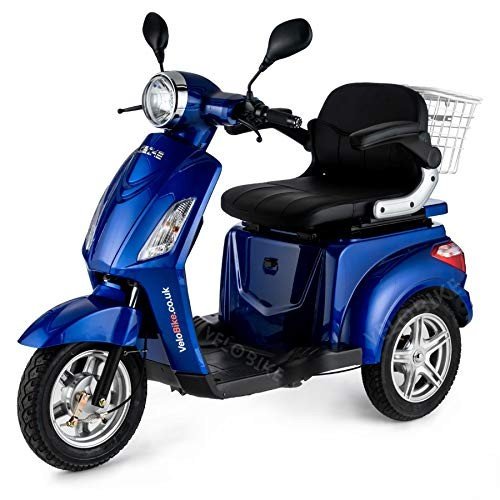
Mobility Scooter: The Ugly Reality About Mobility Scooter
A Comprehensive Guide to Buying a Mobility Scooter
Mobility scooters have actually ended up being a vital tool for numerous individuals seeking to boost their self-reliance and mobility. With a huge selection of models and features readily available, choosing the ideal mobility scooter can be intimidating. This article provides a useful guide to assist consumers browse their options, evaluate their requirements, and make an informed purchase.
Comprehending Mobility Scooters
Mobility scooters are electric automobiles designed for individuals who experience mobility challenges. They are particularly helpful for seniors, those with impairments, or individuals recuperating from injuries. Mobility scooters can differ widely in terms of style, functions, and rates.
Kinds Of Mobility Scooters
Before embarking on a purchase, it's important to understand the different types of mobility scooters readily available:
Three-Wheel Scooters:
- Generally more maneuverable in tight areas
- Lightweight and portable
- Perfect for indoor use
Four-Wheel Scooters:
- Offer higher stability and balance
- Suitable for outdoor usage over various surfaces
- Typically have a longer battery life
Foldable/Portable Scooters:
- Designed to be quickly transported and stored
- Can typically fit in the trunk of an automobile
- Perfect for those who travel often
Sturdy Scooters:
- Built to accommodate larger individuals
- Often included more robust functions for outdoor use
- Typically geared up with larger batteries for extended variety
Elements to Consider When Buying a Mobility Scooter
1. Weight Capacity
Choose a mobility scooter that can support the user's weight. The majority of scooters have a weight limit varying from 250 to 500 pounds. It is essential to ensure that the scooter can accommodate the user easily.
2. Variety and Battery Life
The range is how far the mobility scooter can travel on a single charge. Typical ranges differ in between 10 to 30 miles. Think about the user's day-to-day activities and pick a scooter with a suitable variety.
3. Scooter Dimensions
Consider the size of the scooter, including its weight and dimensions. A more compact scooter might be perfect for narrow hallways and tight areas, while larger models offer extra stability and comfort.
4. Surface Capability
Examine where the scooter will mainly be utilized. If the user prepares to take a trip primarily on pavement, a lightweight model might be enough. However, if the user requires to traverse gravel or unequal surfaces, consider a four-wheel scooter constructed for off-road use.
Top Features to Look For
Convenience
- Adjustable Seats: Look for scooters with cushioned and height-adjustable seats to guarantee convenience throughout travel.
- Armrests: These boost safety and support while navigating.
Security and Visibility
- Headlights and Taillights: Essential for nighttime use.
- Turn Signals and Reflectors: Improve presence and safety while on the road.
User-Friendly Controls
- Joystick or Drive Controls: These ought to be intuitive and simple to control.
- Easy-to-Read Displays: A control panel that reveals battery life, speed, and distance can improve the user experience.
Additional Features
- Storage Compartments: These provide added convenience for bring individual items while on the go.
- Weather Protection: Consider models with rain covers or windshields if utilized in variable weather.
Cost Considerations
When budgeting for a mobility scooter, costs can range anywhere from ₤ 500 to over ₤ 5,000 depending on the model, functions, and brand. Additional costs may consist of:
- Extended Warranty: Protects versus flaws and can save money in the long run.
- Devices: Optional functions, such as updated seats, lights, or storage options.
Function
Expense Range
Standard Models
₤ 500 – ₤ 1,500
Mid-Range Models
₤ 1,500 – ₤ 3,000
High-End Models
₤ 3,000 – ₤ 5,000
Financing Options
Numerous merchants offer funding strategies, and some local federal government efforts might supply grants or help for those in need. Examine potential monetary support with neighborhood resources or mobility service organizations.
Frequently asked questions about Buying a Mobility Scooter
What is the difference in between a mobility scooter and a wheelchair?
Mobility scooters are motorized and allow users to navigate separately, while wheelchairs might need physical help or manual operation.
How do I maintain a mobility scooter?
Regular maintenance includes inspecting battery life, cleaning the scooter, and checking tires and brakes. Constantly refer to the user handbook for particular standards.
Can mobility scooters be utilized indoors?
Yes, lots of designs are designed for both indoor and outside use. Nevertheless, three-wheel scooters tend to be better fit for indoor navigation due to their tighter turning radius.
Are mobility scooters covered by insurance coverage?
Some insurance coverage plans cover a part of the expenses for mobility scooters if they are deemed medically necessary. Contact best mobility scooters for particular details.
How quickly can a mobility scooter go?
Many mobility scooters have an optimal speed varying from 4 to 8 mph. Nevertheless, the appropriate pace may vary depending on regional regulations.
Buying a mobility scooter can substantially enhance one's independence and lifestyle. By understanding the types, functions, and costs associated with mobility scooters, potential purchasers can make knowledgeable choices that fit their requirements and preferences. Customization and comprehensive research study are crucial to guaranteeing complete satisfaction with this essential investment.